

Pitmaster, p.1
Pitmaster, page 1


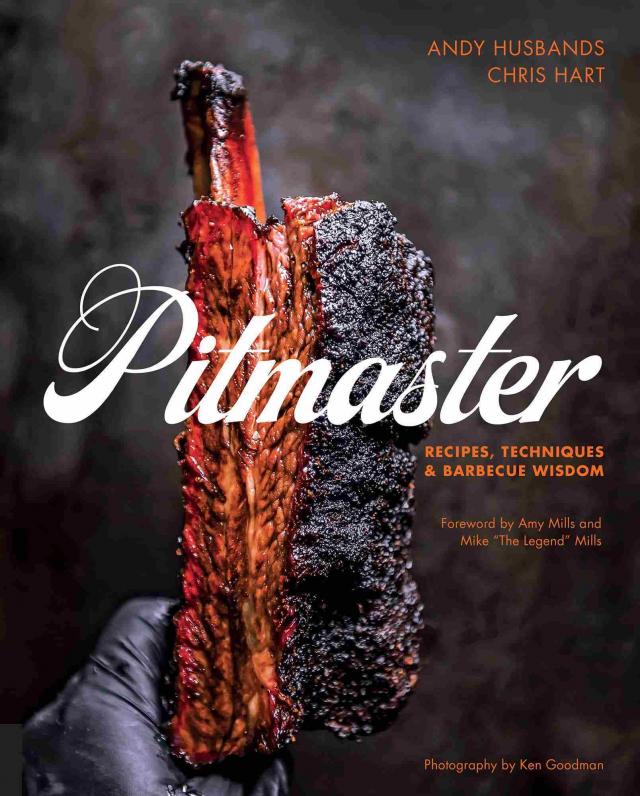
“A jewel in the crown of any cookbook shelf, Pitmaster serves up a big-hearted dollop of authentic techniques as seen through the exacting, wonky, award-winning minds of a couple of Yankee barbecue freakazoids. This Ohio pitmaster cannot wait to smoke and grill his way through each and every gleaming recipe. Winter can bite me.”
—JOHN MARKUS, EXECUTIVE PRODUCER OF The Ultimate BBQ Showdown AND EMMY-AWARD–WINNING WRITER
“Okay, now I'm hungry! Andy and Chris’s superb barbecue techniques and amiable humor are all wrapped up into one pork-craklin’ sandwich of recipes!”
—BEN MEZRICH, New York Times BESTSELLING AUTHOR OF The Accidental Billionaires AND Bringing Down the House
“Andy and Chris have combined all the elements for sharing the culture of barbecue. By embracing all regional barbecue styles and experience levels and flavoring liberally with their own expertise and acumen, they’ve captured the spirit of our community. Bon appetit!”
—CAROLYN WELLS, EXECUTIVE DIRECTOR AND CO-FOUNDER OF THE KANSAS CITY BARBEQUE SOCIETY
Pitmaster
RECIPES, TECHNIQUES & BARBECUE WISDOM
ANDY HUSBANDS
CHRIS HART
Foreword by Amy Mills and Mike “The Legend” Mills
Photography by Ken Goodman
Contents
FOREWORD
by Amy Mills and Mike “The Legend” Mills
PREFACE
1 BACKYARD BARBECUE
2 NORTH CAROLINA
3 KANSAS CITY
4 TEXAS
5 THE NORTH
6 COMPETITION BARBECUE
ACKNOWLEDGMENTS
ABOUT THE AUTHORS
ABOUT THE PHOTOGRAPHER
INDEX
FOREWORD
Barbecue State of the Union
By Amy Mills and Mike “The Legend” Mills
This is the golden age of barbecue in America. In the dozen-plus years since our book Peace, Love, and Barbecue was published, barbecue has skyrocketed in popularity. Barbecue has emerged as a breakout cooking genre, earning respect for its intricate regional history and manifold methods and becoming a cuisine unto itself. Pitmasters are a new breed of rock star, folk heroes whose stories are kept in the spotlight by flocks of bloggers, reporters, photographers, and TV crews.
Mind you, barbecue is not the new cupcake. It’s neither a trend nor a revival. The cooking and the culture — the food and the folklore and the feelings—are inextricably entwined and deeply rooted in heritage and history. And, like any worthy legacy, barbecue continues to evolve in the able hands and brave hearts of the next generation.
Barbecue continues to evolve in the able hands and brave hearts of the next generation.
Many are the paths that lead to the pit. Like Amy, Sam Jones was born into the business and he embraced his heritage reluctantly at first. He’s now the torchbearer of whole hog barbecue in North Carolina, carrying on his family’s rich tradition at Skylight Inn while forging his own sterling identity up the road at Sam Jones Barbecue. Meanwhile, John Lewis, a native son of Texas and a pastry chef by training, now helms his own Lewis Barbecue in Charleston, South Carolina, and it seems like the whole world is scrambling to replicate his innovations in brisket and beef ribs. Tuffy Stone, one of the most talented chefs and pitmasters we know, has earned tremendous success on the competition circuit, on barbecue television, and with his string of barbecue restaurants in Richmond, Virginia.
Then there are these two New Englanders, Chris Hart and Andy Husbands, whom we’ve had the pleasure to know for well over a decade. We’ve watched as they’ve continually tweaked their methods and honed their skills—no one cheered louder than we when their team, IQUE, became the first New England team to win the Jack Daniel’s World Invitational Barbecue Cooking Contest in 2009. All the while, in true barbecue fashion, they haven't merely earned accolades for their food, but they've also embraced the people and the culture of barbecue.
Over the course of the decade or so we’ve known Chris and Andy, America has been to war, withstood economic woes, and weathered a full-fledged identity crisis. Our homeland remains fraught with deep and abiding uncertainty, and barbecue—America’s original comfort food—nourishes the body and soothes the soul. Barbecue keeps us connected to what is good and wholesome and pure about our country—and it is about the people as much as the food. Folks are flocking to barbecue in search of sustenance and community; whether your barbecue is a backyard or restaurant or festival experience, it wraps you in warmth and belonging.
We’re fond of putting it this way: Barbecue = food + family + love. In this treasure of a book, Chris and Andy highlight some prominent citizens of the barbecue world. Reading their stories and reveling in their recipes reminds us how very fortunate we are to be part of this great big barbecue family.
Preface
by Chris and Andy
We are a couple guys from Boston. Our grandpappys weren’t cooking barbecue back in the early 1900s and neither of us stepped foot in the South until we were in our 20s. But we have been immersed in the barbecue life for the past 25 years. The spark came from a couple of restaurants local to us: a burnt-end sandwich at East Coast Grill in Cambridge, Massachusetts, and Memphis-style ribs at Jakes Q-for-U in Boston. We continued down the rabbit hole, traveling and opening restaurants and then dedicating ourselves to competition barbecue. These years of experience have culminated with Andy opening The Smoke Shop in Cambridge, Massachusetts, and Chris becoming the first pitmaster from the Northeast to lead his team to a Barbecue World Championship.
Since the publication of our first book, Wicked Good Barbecue, American craft barbecue cooking has continued to soar in popularity. Authentic barbecue restaurants are opening across the country, The Kansas City Barbecue Society has doubled membership, and barbecue message boards are teeming with newbies. Pitmasters are becoming bona fide celebrities. And most importantly, more people every day are turning off their gas grills and cooking with wood.
This book is about our barbecue paths—sharing what we have learned and focusing on the barbecue regions and people that inspire us the most. We have been influenced by barbecue restaurant owners with a commitment to regional traditions, competition barbecue champions, families with a multi-generational tradition of cooking whole hogs for holidays, and even amateur backyard fanatics.
We looked to barbecue author and television host Steven Raichlen and one of our mentors, barbecue legend Jake Jacobs, to provide the voice of the backyard barbecue cooks. Much of our inspiration starts with the traditional barbecue regions of North Carolina, Texas, and Kansas City. We’ve turned to our barbecue friends from those regions, such as pitmasters Sam Jones, John Lewis, Rod Gray, and Elizabeth Karmel, and pit builder Jamie Geer, for wisdom and insight into these American culinary legacies.
This book is about our barbecue paths—sharing what we have learned and focusing on the barbecue regions and people that inspire us the most.
Innovation and tradition, though, are not mutually exclusive in the world of barbecue. We see essentially new regional styles developing in the North and out on the competition barbecue trail. Pitmasters Tuffy Stone and Billy Durney helped us explore what it means to both pay homage to traditional barbecue and infuse new ideas, flavors, and experiences.
The most important thing we learned from our own barbecue experiences and those of our friends is this: You need to trust your instincts. Barbecue introduces so many variables to the cooking process. What is the moisture content of the wood? Is the weather hot and humid or dry, cold, and windy? How is the marbling of the pork? There is a big difference in operation between a brand new tight smoker and one with 5 years of use and a slightly out of round lid. Great pitmasters focus more on what their senses tell them—the aroma of the fire, the appearance of the bark, the sound of crispy skin on a whole hog—than the exact temperature or time or proportions.
It is only after many hours of repetition that a barbecue cook is able to shift away from closely following a recipe as taught by a mentor or read in a book and move towards instinctive cooking, the ultimate mark of a pitmaster. The good news is there is no glass ceiling on deliciousness. No matter how far you are down the barbecue path, the time, care, and dedication required to feed your friends and family a plate of barbecue makes them happy. Making people happy is what draws us deeper into our barbecue journey. We hope this book provides guidance and inspiration as you continue down your own pitmaster path.
1
Backyard Barbecue
“The only real stumbling block is fear of failure. In cooking you’ve got to have a what-the-hell attitude.”
-JULIA CHILD
This chapter focuses on classic pitmaster recipes, staples, and skills you can use to get to know your smoker and consistently produce a great plate of barbecue. Eventually, you’ll find yourself adding your own flavors and personality to the recipes.
If you are brand new to barbecue, turn off the gas grill and find a convenient spot in your backyard for a smoker. A Weber Smoky Mountain Cooker, kamado–style smoker, or Jambo Backyard model are all excellent choices for beginners. If you are not quite ready to invest in a new smoker, any charcoal grill can be used by employing the two-zone cooking method. Other key pieces of equipment that you should have from the get-go are a charcoal chimney, a high-quality meat thermometer, and a dedicated coffee grinder for blending spice rubs.
Start simple and get the hang of how to maintain a steady temperature by cooking inexpensive cuts like a bologna chub or a few links of sausage. You’ll probably ruin some
You also want to concentrate on burning a clean fire. You’ll know you’ve achieved this when you see that almost invisible blue smoke wafting from your smoker stack. If you are producing billowing white smoke, your fire is smoldering instead of actively combusting. A fancy recipe cannot cover up issues with fire control. Clean charcoal, seasoned wood, and proper airflow are key.
Don’t fear cooking hot. Most clean fire issues are the result of choking down the airflow to achieve very low temperatures in the 225°F (110°C) range. Chris’s top piece of advice when he teaches his backyard barbecue classes is to cook hotter (275 to 300°F [135 to 150°C]). A hot fire is a clean fire.
Our primers on using the Two-Zone Cooking Method, Weber Smokey Mountain Cooker, kamado–style smoker (Classic Pulled Pork on a Kamado-style Smoker), and Offset Pit Barrel will help you get started, but there is no definitive way to maintain steady temperatures. It’s about developing an approach that works for you.
Get started by throwing a party and cooking barbecue. Maybe you’re not quite ready to cook for 30 people. But nothing beats experience, and you can always call the pizza shop if the pork butts just won’t get done on time. And feel free to get creative. Will the beef rub work on a pork shoulder? Give it a try and let us know.
Even now, as more accomplished pitmasters, we have not moved on from these types of foundational recipes. We cook them again and again because they are delicious and our family and friends enjoy these dishes.
A fancy recipe cannot cover up issues with fire control. Clean charcoal, seasoned wood, and proper airflow are key.
USING A CHIMNEY STARTER
1. Place the chimney on top of a grill grate or other heat-proof surface with good airflow.
2. Place two sheets of crumpled newspaper in the base of the chimney and fill the top of the chimney three-quarters full with charcoal.
3. Light the newspaper and wait about 5 minutes.
4. When the charcoal is lit and flames are just starting to peek through the top, pour the lit charcoal into your fire chamber and get cooking.
ESSENTIAL BARBECUE EQUIPMENT AND TOOLS
Smokers we recommend:
* Weber Smokey Mountain Cooker
* Big Green Egg
* Humphrey’s BBQ Cabinet Smoker
* Jambo Pits’ J3 or Backyard Smoker
Fuel:
* High quality, dense lump charcoal
* Seasoned chunks of fruitwood, oak, and hickory
* Seasoned split of oak, pecan, and hickory
Equipment:
* Charcoal chimney starter
* Fast-reading, accurate meat thermometer
* Probe thermometer
* A dedicated coffee grinder for blending spices
* Meat injector
* Nitrile disposable gloves
* Insulated heatproof gloves
* Grill brush
* Silicone brushes
* Spray bottle
TWO-ZONE BARBECUE COOKING
A requirement for almost all of the recipes in this book is cooking equipment that produces smoke and an indirect heat source. If you want to get started but haven’t made the plunge and purchased a barbecue smoker yet, fear not. While you save up the scratch for your dream barbecue pit, you can use your grill. Yes, even a gas grill—but only if you promise this is a temporary thing.
To set up your grill for two-zone barbecue cooking, pile some unlit charcoal against one side of the grill. Light a chimney of charcoal and pour the lit coals over the top of the unlit pile. One side of the grill now has a charcoal base—the hot zone—and the other side should have no charcoal at all—the cool zone. If you’d like, outfit the area below the cooking grate on the cool side with an aluminum pan to catch the drippings of the meat. Set all vents to 75 percent closed and if possible position the exhaust vent above the cool zone. Place the meat on the grill grate on the cool zone side. Position a probe thermometer near the grate to measure the target temperature.
A high-quality smoker will run for hours without any fussing around with the fire. In a two-zone grill setup, however, you’ll need to tend to the charcoal base fairly frequently. Add a handful of charcoal onto the base every 30 to 45 minutes. Avoid letting the charcoal base burn all the way down or you’ll need to start over. Optionally, add a handful of dry wood chips to your fire a couple times during the cooking process. Do not soak the wood chips. Wet wood will smolder and create bitter, off flavors.
For gas grill two-zone cooking, turn on only one burner. Depending on the grill design, use the back burner or the burner to the far right or far left. Wrap some wood chips tightly in aluminum foil and place them directly on the burner. Place the meat on the cool zone side and replenish with a new wood chip packet a few times during your cook. While your gas grill is doing its thing, go on the Internet and research which proper barbecue smoker you are going to buy.
USING A WEBER SMOKEY MOUNTAIN COOKER
If you are just getting started with a Weber Smokey Mountain Cooker (WSM), consider running the cooker the same way whether you are planning a two-hour chicken cook or an overnight pork butt cook. You may waste a bit of charcoal, but it’s good practice to get multiple repetitions on a standard operating approach.
We prefer high-quality lump charcoal. “High quality” here is synonymous with the high density of brands such as Wicked Good Weekend Warrior Blend Lump Charcoal, Nature’s Own Basque Hardwood, and Blues Hog Premium Natural Lump Charcoal. And we’ll take a natural briquette over lightweight, cheap lump charcoal.
As with any bit of cooking, mise en place is essential. Start by organizing the following: lump charcoal, three fist-sized chunks of dry smoke wood, charcoal chimney, newspaper, probe thermometer, lighter, grill brush, heatproof gloves, and a large plastic plant watering can.
Fully assemble the WSM and then take the lid and the middle section off of the base. Light your lump charcoal using a chimney starter.
Fill the smoker’s charcoal ring with lump charcoal. For shorter cooking times, feel free to use less charcoal but lean toward adding more charcoal than you think you’ll need. For overnight cooking, always start with as much charcoal as possible. Light a charcoal chimney (see here). When the charcoal is lit and flames are just starting to peek through the top, pour the lit charcoal over the center of the charcoal base.
Assemble the middle section onto the base and fill the water pan with water. Place the lid on the smoker and set all vents to 100 percent open. After 20 minutes, brush the grill grates clean.
It’s important to understand the smoker temperature measured near the center of the cooker at grate level. We use a calibrated probe thermometer pierced through half of a small onion sitting on the grate near where the meats are. If your WSM is outfitted with a lid thermometer, note what the lid thermometer reads in comparison to your probe thermometer. After a few cooks, you’ll find the probe thermometer reads consistently cooler than the lid thermometer. Once you determine that difference, you can ditch the probe and use the lid thermometer as a guide to achieve your desired grate-level temperature.
If you are producing billowing white smoke, your fire is smoldering instead of actively combusting.
Place the meat on your WSM. Open the access door and add chunks of smoking wood. Close the access door. Once the target temperature is reached, close the bottom vents 25 percent. Continue to adjust the bottom vents to lock in your target temp. Be patient and make small gradual changes. Only close down the top vent if you have greatly overshot the target temp. Ideally, you’ll be running with the bottom vents partially closed and the top vent 75 to 100 percent open. For an overnight cook, have a full water can and additional charcoal at the ready. Right before calling it a night, add some additional charcoal and top off the water pan via the access door.






